Hello, everyone! My name is Lewis, and I’m the founder and lead consultant at Underpin Consultants, a change and growth consultancy based in the east of England. This is my first live stream, so I’m excited to test out the equipment and, more importantly, dive into the world of business forecasting—why it’s essential, and how to realistically forecast turnover and profit for your business.
Who Am I?
I’ve spent the last 17 years in marketing and business consultancy, working with startups and organisations that aim to create positive change in the world. I believe in equity, positivity, and a people-focused approach to growth. At Underpin, we’re committed to providing inclusive, supportive consulting that empowers organisations to reach their goals.
Why Business Forecasting?
Business forecasting helps you predict where your business is heading, whether it’s a startup phase, steady growth, or further expansion. Forecasting provides a roadmap, guiding you in setting realistic expectations for turnover and profit. Essentially, it’s like planning a journey: without a forecast, you’re just guessing where you’ll end up.
Forecasting brings together two main types of data:
- Qualitative Data: Expert insights, industry trends, and market conditions. This is especially helpful if you’re just starting out and lack historical data.
- Quantitative Data: Past performance data that you can use to project future growth. If you’ve been running your business for a while, your historical figures can help you identify growth trends and set realistic goals.
Types of Forecasting
Business forecasting can include various methods, each with its own purpose. Here are some of the main types we discussed:
- Sales Forecasting: Projects the number of sales expected in a given period. Useful for understanding demand and setting sales targets.
- Profit and Loss Forecasting: Tracks income (sales) and expenses, allowing you to assess profitability over time. This type of forecasting highlights whether your business model is financially viable.
- Cash Flow Forecasting: Tracks cash inflows and outflows, helping you avoid cash shortages and manage expenses.
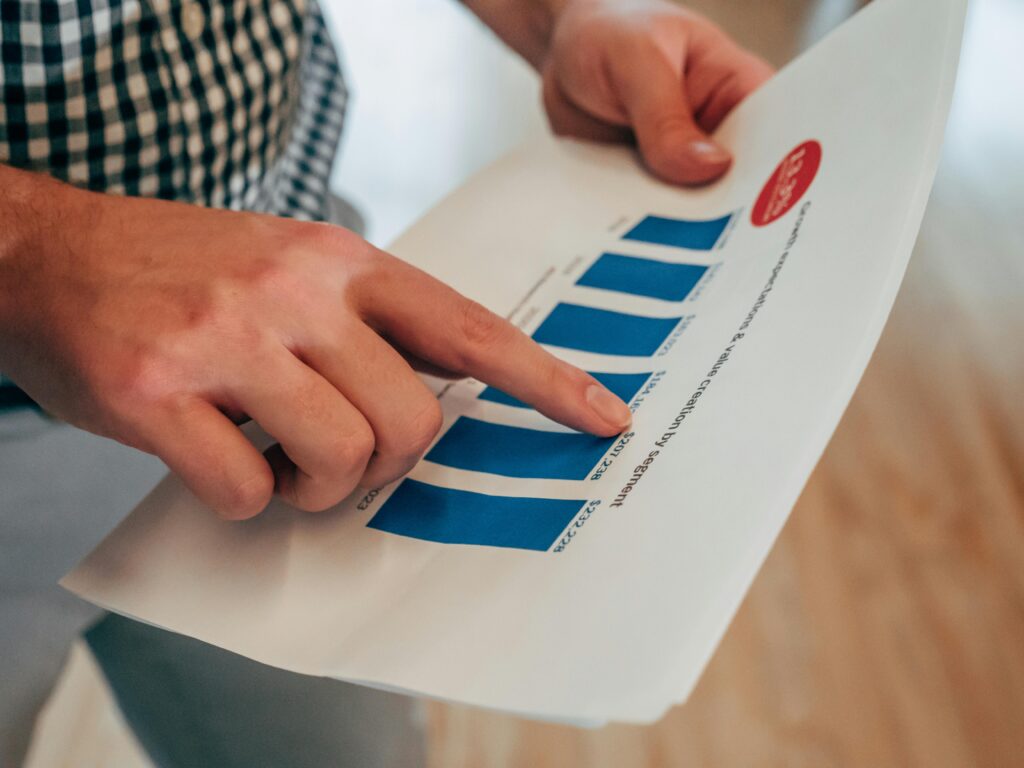
- Growth Forecasting: Projects the future revenue and growth potential of your business, guiding long-term planning.
How to Start Forecasting
- Collect Your Data: Start by gathering all relevant data. Look up industry reports, analyse historical data, and make use of tools like spreadsheets or specialised forecasting software.
- Use Scenario Modelling: Create ‘what if’ scenarios to see how changes in costs, sales, or other factors might impact your business.
- Set Up a Sales Forecast: Estimate the number of products you plan to sell each month, adjusting for seasonal demand or industry-specific cycles.
- Establish Profit and Loss Estimates: Factor in your anticipated revenue and all business expenses to see if you’re likely to turn a profit or face losses.
- Develop a Cash Flow Forecast: Map out all incoming and outgoing cash. This helps you understand if you’ll have enough funds on hand to cover upcoming expenses.
- Regularly Update Your Forecasts: A forecast is only as good as it is current. Keep it dynamic by updating it each month as new data comes in.
Practical Tips for Effective Forecasting
Forecasting is invaluable for staying on top of your business’s financial health. For instance, knowing when your expenses will peak or when cash might be tight helps you plan accordingly, whether through loans, savings, or cost-cutting.
- Prepare for Cash Flow Gaps: Understand when your income and expenses may not align, and plan ahead for these periods.
- Account for Seasonality: Many businesses experience seasonal fluctuations in sales. Recognising these patterns is crucial for accurate forecasting.
- Budget Wisely: Use your forecast to set realistic budgets and allocate funds where they’re needed most.
- Adjust as You Grow: With more data, your forecasts will become more accurate. As your business grows, so will your ability to fine-tune projections.
Success in Business: Define It for Yourself
At Underpin, we believe that success doesn’t mean endless growth or bigger profits. Success is about building a business that works for you and fits your life. Whether your goal is to make enough to support your family or to have flexibility in your day, forecasting helps you define and achieve your version of success.
Conclusion: Plan, Prepare, and Succeed
Forecasting gives you the insights needed to make informed decisions, plan strategically, and adjust to new challenges. It’s about building a sustainable business that supports your goals without burning you out. Thank you for joining me on this live stream. If you have questions, drop them in the comments—I’ll be addressing them in future sessions.
See you next time, and happy forecasting!